Skip to content

The outbound operating system

Carry the context.
Through the whole system.

Bring market selection, enrichment, outreach, calls and replies into one connected workflow. Keep account context and team review close to each stage of the campaign.

Explore the approach
  1. 01

    Research

    The company, buyer and reason for contact

  2. 02

    Campaign

    Channel plan, writing inputs and approval state

  3. 03

    Conversation

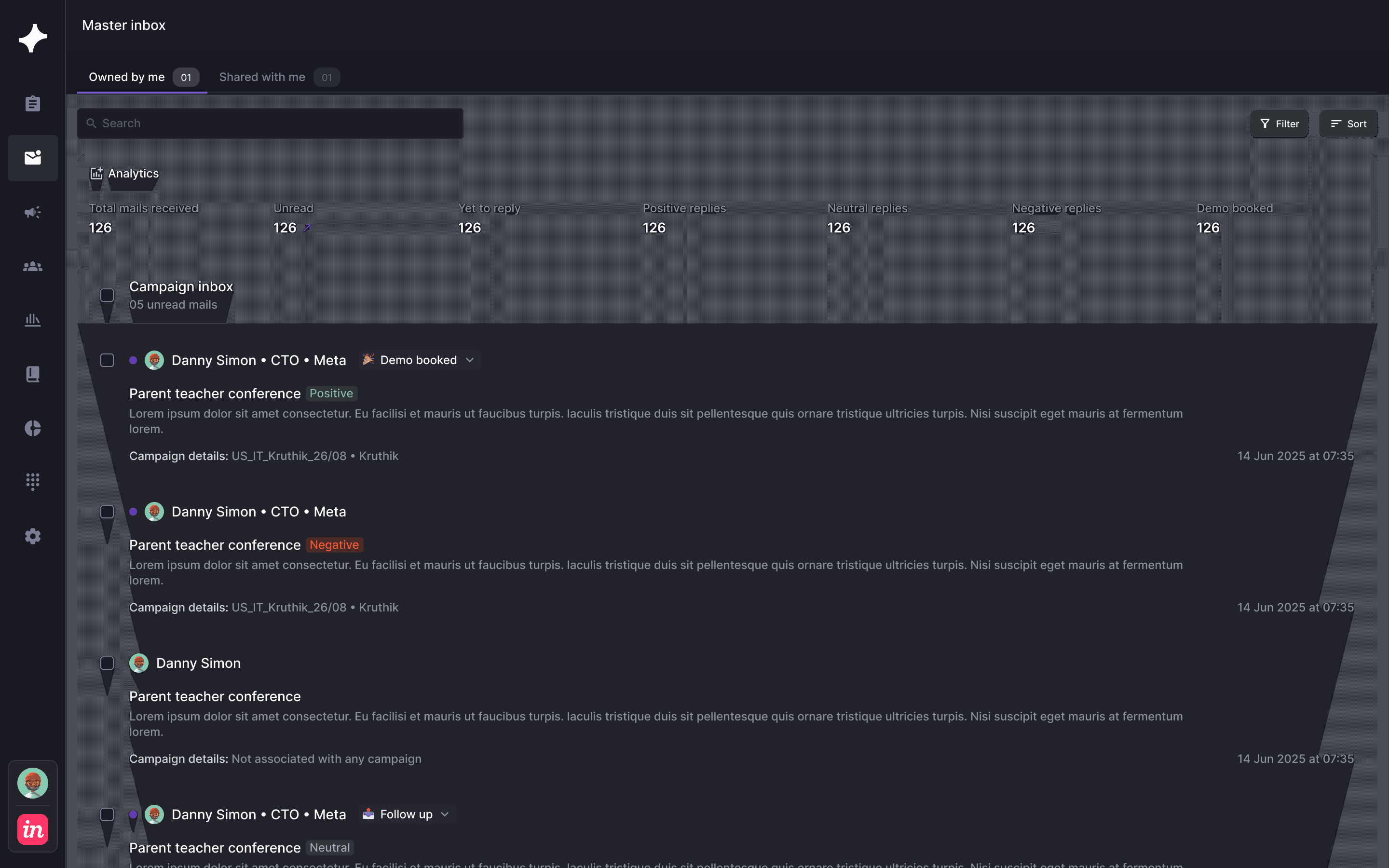
    The response and the person handling it

Market → campaign → conversation

Connect the research, the plan and the reply. The system is useful when the next stage can work from what the previous one learned.

LESS RECONSTRUCTION BETWEEN STEPS

The system should carry the context, not just the task.

When research, messaging and follow-up live in separate tools, the buyer's context can get lost between them. An outbound operating system connects the stages: choosing the market, preparing contact data, designing the sequence and reviewing the response. OXO applies that model to a shared prospect and campaign workflow.

  1. 01

    Define the market and offer

    Agree the account criteria, buyer roles, relevant problem and exclusions. Give the campaign a premise the whole team can explain.

  2. 02

    Run a connected campaign

    Prepare the records and channel sequence around that premise. Set the writing inputs, timing and review process before activation.

  3. 03

    Learn from the conversation

    Review call activity and replies with the campaign context. Decide the next action and use the findings to refine the next market or message.

Inside OXO

See the underlying work.

SHARED AUDIENCE

One starting point for research and outreach.

The prospect workspace connects the company and people views. Enrichment and account context help the team decide whether a record is useful before moving it into the campaign.

  • Review company fit and buyer roles
  • Resolve missing contact information
  • Keep the selected audience with the campaign
OXO / SHARED AUDIENCE
OXO account and people workspace with enrichment fields
SHARED AUDIENCE
OXO account and people workspace with enrichment fields

Decisions for your team

What should travel between stages?

Start with one workflow. Agree what the system carries, what needs review and who owns the next decision before extending the operating model.

0 of 3 planning decisions reviewed

Business decisions stay explicit

Your team defines the market, offer and qualification standard. Automation should work from those decisions.

Review is part of the workflow

Set the message approval process and agree the supported channel operations before launch.

Integration follows your process

Confirm CRM mapping, handoff ownership and commercial scope against the workflow your team actually needs.

OXO / OUTBOUND OPERATING SYSTEM questions.

What is an outbound operating system?

It connects targeting, contact data, outreach, response review and human follow-up in a shared workflow. The purpose is to preserve context between those stages.

How is that different from a sequencer?

A sequencer plans touches. OXO also connects company and people research, enrichment, campaign approval, calling and reply review around the sequence.

Do we need to replace every existing tool at once?

Start with a defined workflow and confirm its integrations. A phased rollout helps the team review what works before extending the scope.

What does our team still own?

Your team owns the market and offer, reviews the work where needed and handles the buyer's conversation, qualification and relationship.

How do we introduce the operating model without changing everything at once?

Choose one campaign and map its inputs, review steps and response owners. Identify the existing systems that remain authoritative, especially the CRM. Confirm the supported handoff and integration scope, then review the first workflow with the people using it. Extend the model after the team understands the operating decisions and exceptions, rather than making a broad tool replacement the first objective.

What should remain consistent as the system grows?

Keep account criteria, approval responsibilities and the meaning of campaign states understandable across teams. The market and message may differ, but people should know where to inspect preparation and who owns the next action. Use response findings to improve the next brief while preserving the context needed for a seller to continue an existing conversation.

Keep exploring

Explore the product

See all the workflows within OXO.

Sales engagement

Connect preparation, outreach and follow-up.

Pricing

Scope the usage around your outbound plan.

Connect the work around one real campaign.

Bring the audience, offer and current tools. See how the context can move from account selection to conversation.