Skip to content

For outbound agencies

One repeatable process.
Every client’s own voice.

Organize client-specific audiences, outreach sequences, approvals and replies in OXO. Reuse your working process while keeping the offer and buyer context clear for each campaign.

Explore the approach
Campaign preparationResponsibilities

Client campaign brief

Audience
Client-specific company criteria and exclusions
Message
The offer and evidence approved by the client
Handoff
The person receiving qualified conversations

A clearer starting point for the campaign

Client campaign brief

Reuse the operating process without reusing the pitch. A client’s buyer, approved claims and handoff rules belong with that client’s campaign.

Agency operations

Each client needs a clear brief and an accountable owner.

The value of a shared process is consistency. Client markets, approved claims and follow-up responsibilities still need to be defined separately. OXO gives operators campaign and response views to manage that work.

  1. 01

    Write the client brief

    Define the market, offer, approved evidence and owners.

  2. 02

    Build the campaign

    Select the audience and prepare the channel sequence.

  3. 03

    Review the messages

    Check client-specific copy before launch.

  4. 04

    Work the replies

    Follow up or hand the conversation to the agreed client contact.

Inside OXO

See the underlying work.

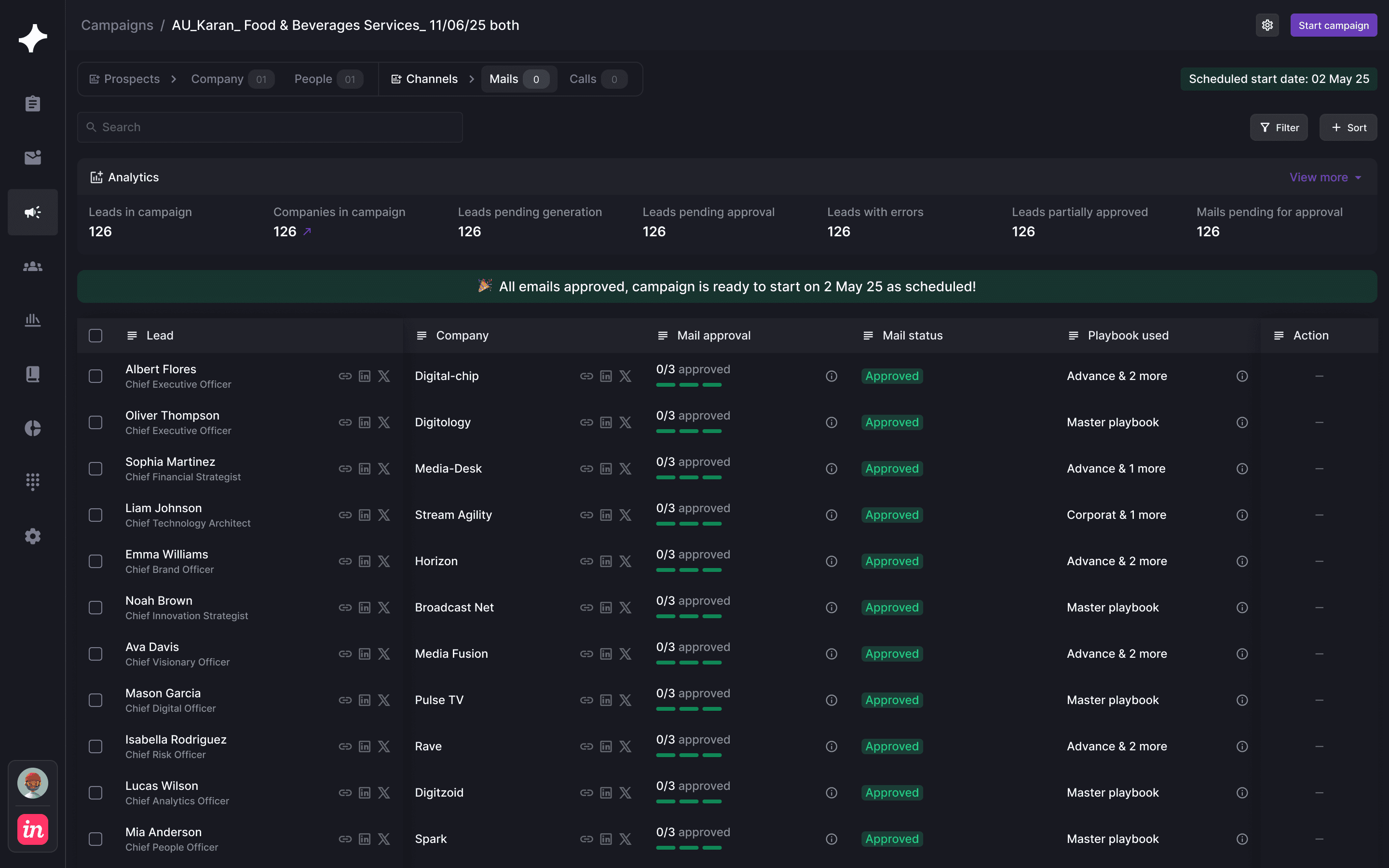
Client campaigns

Keep the offer and audience attached to the campaign.

Build each sequence from the relevant client brief. Campaign naming, audience selection and channel settings help operators distinguish what they are running.

  • Define a focused audience for each client offer.
  • Set campaign-specific channel steps and timing.
  • Review draft, active and paused work together.
OXO / Client campaigns
OXO campaign workspace for managing separate outbound campaigns
Client campaigns
OXO campaign workspace for managing separate outbound campaigns

Decisions for your team

What must stay specific to each client?

Before preparing outreach, agree who approves language and who responds. Confirm client-access and account-separation requirements during setup rather than assuming them.

0 of 3 planning decisions reviewed

Client-specific context

Review audience, claims and instructions per campaign.

Review responsibility

Agree who approves copy and who can access the workspace.

Reply responsibility

Define the person who follows up and reports the result.

outbound agencies questions.

How can agencies use OXO?

Agencies can organize prospecting, campaign preparation, mail approvals and response handling around client-specific outbound work.

How should we set up client access?

Agree who prepares the audience, reviews messages and handles replies. Confirm the client access and workspace permissions needed for that process with the OXO team.

Can we reuse a playbook?

A sequence structure can be reused, while the audience, approved claims, personalization inputs and follow-up ownership should be reviewed for each client.

What should the client approve before a campaign starts?

Agree the intended market, excluded accounts, offer and claims the agency may use. Review the first messages and name the people responsible for later changes. Clarify who handles replies and what qualifies for a client handoff. If the client needs direct workspace access or separate account administration, confirm the supported arrangement during setup before making it part of the delivery promise.

How should an agency review campaign quality with a client?

Discuss the audience, messages and actual responses together. Explain what changed in the brief and why. Separate activity from qualified interest so the client can assess the work against the agreed objective. Use recurring objections and questions to refine the next campaign; do not substitute a larger contact list for a clear decision about relevance.

Keep exploring

Campaigns

Manage client-specific sequence work.

Master Inbox

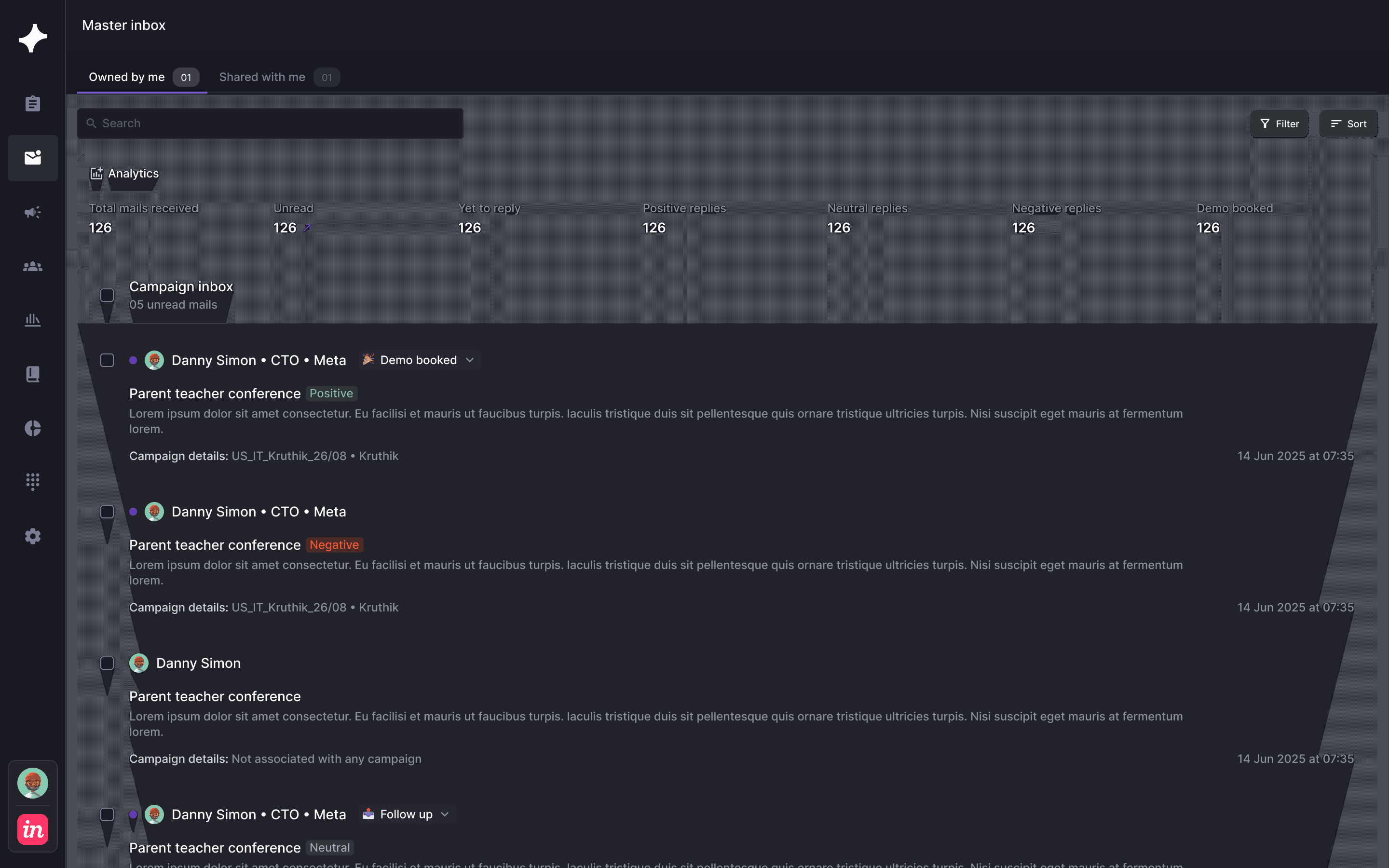
Keep replies with their campaign.

Analytics

Review the work behind reporting.

Build a clearer client operation.

Walk through one client's audience, approvals and follow-up process before expanding the model.